5 Herbal Habits for Strong Hair: Grow It Long, Keep It Strong

5 Herbal Habits for Strong Hair: Grow It Long, Keep It Strong

5 Science-Backed Herbal Habits

Evidence-based botanical practices to enhance hair density, scalp health, and structural integrity.

Habit 01

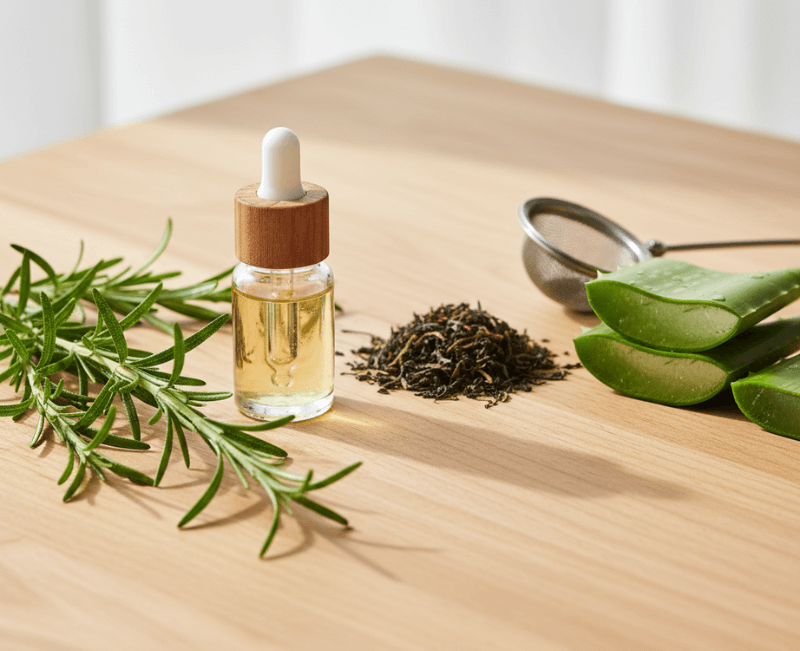
Rosemary Oil Massage

Clinical trials indicate that Rosemary oil stimulates blood flow to the follicles, performing similarly to 2% Minoxidil over a 6-month period.

[Source 1]
Habit 02

Saw Palmetto Support

Utilized as a natural inhibitor of 5-alpha-reductase, this herb helps block DHT, the hormone primarily responsible for follicle miniaturization.

[Source 2]
Habit 03

Horsetail Silica Fortification

Horsetail is a premier source of organic silica, which strengthens the hair shaft and increases tensile strength to prevent premature breakage.

[Source 3]
Habit 04

Aloe Vera Scalp Enzyme Therapy

The proteolytic enzymes in Aloe Vera clear dormant follicles of dead skin cells, creating an optimal environment for new hair growth.

[Source 4]
Habit 05

Green Tea EGCG Rinse

Rich in EGCG, green tea provides potent antioxidant protection that has been shown to prolong the hair's growth (anagen) phase.

[Source 5]

Authority References

  1. Panahi, Y. (2015). Rosemary oil vs minoxidil 2% for androgenetic alopecia. Skinmed Journal.
  2. Prager, N. (2002). Inhibitors of 5-alpha-reductase in hair treatment. JACM.
  3. Araújo, L. A. (2016). Use of silicon for skin and hair care. An. Bras. Dermatol.
  4. Surjushe, A. (2008). Aloe Vera: A Short Review. Indian Journal of Dermatology.
  5. Kwon, O. S. (2007). Hair growth enhancement by green tea EGCG. Phytomedicine.
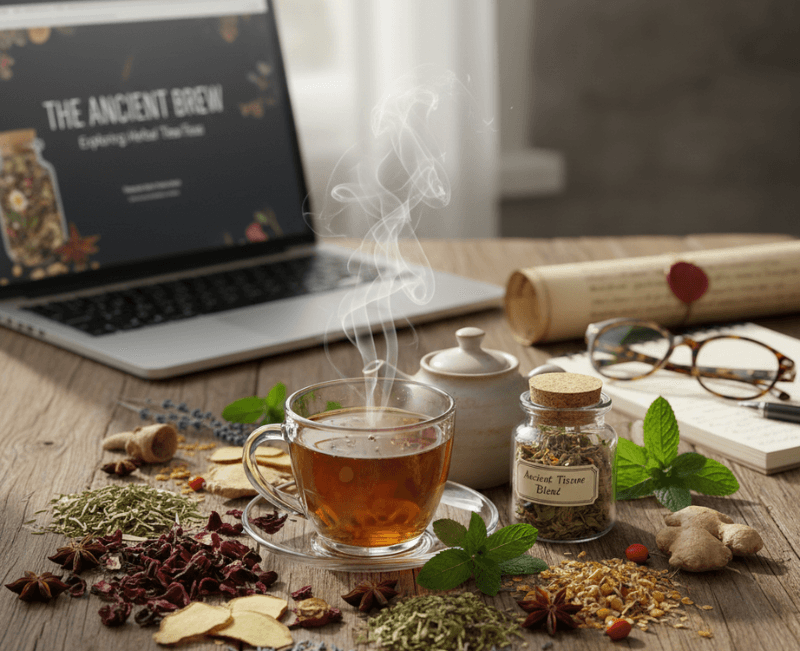
The Ancient Brew: Exploring the World of Herbal Teas and Their Modern Revival

The Ancient Brew: Exploring the World of Herbal Teas and Their Modern Revival

For millennia, the simple act of steeping plants in boiling water has served as a cornerstone of human health and culture. While traditional teas like green and black tea (derived from Camellia sinensis) often dominate the conversation, the world of “herbal teas”—technically known as tisanes—offers a diverse palette of flavors and therapeutic benefits. A recent comprehensive review highlights how these ancient brews are making a massive comeback in the modern wellness landscape.

A Legacy Rooted in Legend

The history of tea is steeped in myth. Chinese legend suggests that Emperor Shen Nung discovered the beverage in 2737 BCE when wild tea leaves accidentally blew into his pot of boiling water, creating a refreshing infusion that supposedly relieved his physical discomfort [1]. While traditional tea grew in popularity across Asia, herbal medicines derived from flowers, roots, and barks were simultaneously being developed by early civilizations to treat ailments and maintain well-being [1].

What Makes Herbal Tea Special?

Unlike traditional tea, herbal teas are caffeine-free infusions made from a variety of botanicals. These beverages are prized for their high concentration of phytochemicals, including flavonoids and polyphenols [1]. These active components are what give herbal teas their medicinal “edge,” offering everything from antioxidant protection to digestive support.

According to the research, some of the most prominent herbal varieties include:

* **Motherwort (Leonurus cardiaca): Traditionally used for cardiovascular support and anxiety, typically prepared by steeping dried stems and flowers [1].
* **Hibiscus and Rosehip: Often sought after for their high vitamin C content and immune-boosting properties [1].
* **Peppermint and Ginger: Frequently consumed for their ability to aid digestion and soothe gastrointestinal distress [2].

The Modern “Tisane” Trend

We are currently witnessing a significant surge in herbal tea consumption. This “herbal revolution” is driven by several key factors:

1. Holistic Health Shifts: Consumers are moving away from sugary, caffeinated drinks in favor of functional beverages that offer preventive health benefits [1].
2. The Pandemic Effect: The COVID-19 pandemic accelerated demand for immune-boosting and stress-relieving drinks, positioning herbal teas as a staple for mindful living [3].
3. Home-Grown Authenticity: There is a growing trend of enthusiasts growing their own herbs to ensure their tea is organic, fresh, and sustainable [1].

Market Growth and Sustainability

The herbal tea industry is no longer just a niche corner of health food stores. It is a burgeoning global market projected to reach approximately $7.34 billion by 2032  [4]. The Asia-Pacific region, particularly China and India, remains the leader in this growth, though Western markets are rapidly catching up as awareness of anti-aging and anti-inflammatory benefits spreads [4].

Furthermore, the industry is evolving to meet environmental demands. Many companies are transitioning to biodegradable or compostable tea bags to reduce carbon footprints, ensuring that the tea is as good for the planet as it is for the body [4].

How to Prepare the Perfect Cup

To maximize the health benefits of herbal tea, preparation is key. The research suggests that the phytochemical profile of the tea depends heavily on the “steeping” process. For most herbal infusions, using 2 to 3 teaspoons of dried botanicals per cup of boiling water and steeping for 5 to 10 minutes is recommended to extract the maximum amount of bioactive compounds [1].

Conclusion

From the ancient yards of Chinese emperors to the modern digital era of shared recipes on social media, herbal tea remains a timeless remedy. Whether you are looking for a moment of calm, a digestive aid, or a boost to your immune system, there is likely an herbal brew designed for your needs.

References

1. Hisham‐Sultan‐Alkatib Huda, et al. (2024). “Exploring the ancient roots and modern global brews of tea and herbal beverages: A comprehensive review of origins, types, health benefits, market dynamics, and future trends.” Food Science & Nutrition, 12(10), 6938–6955. https://pmc.ncbi.nlm.nih.gov/articles/PMC11521711/
2. Chandrasekara, A., & Shahidi, F. (2018). “Herbal beverages: Bioactive compounds and their role in disease risk reduction – A review.” Journal of Traditional and Complementary Medicine. https://pmc.ncbi.nlm.nih.gov/articles/PMC6174262/
3. Wahab, S., et al. (2023). “The use of herbal and dietary supplements for COVID-19 prevention: A survey among the public in a Malaysian suburban town.” Journal of Herbal Medicine. https://pmc.ncbi.nlm.nih.gov/articles/PMC10032060/
4. Future Market Insights. (2022). “Herbal Tea Market: Global Industry Analysis 2017-2021 and Opportunity Assessment 2022-2032.” https://www.futuremarketinsights.com/reports/herbal-tea-market
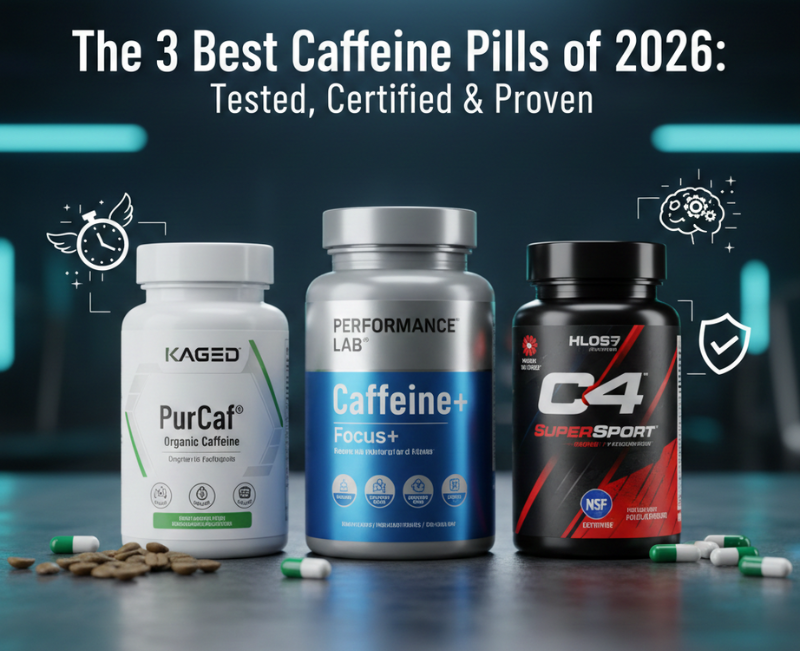
The 3 Best Caffeine Pills of 2026: Tested, Certified & Proven

The 3 Best Caffeine Pills of 2026: Tested, Certified & Proven

In 2026, the demand for clean, reliable energy has shifted away from sugary energy drinks and toward precision-dosed supplements. Whether you are an athlete looking for an ergogenic edge or a professional battling the afternoon slump, finding the best caffeine pills is essential for maintaining focus without the dreaded “crash” associated with low-quality stimulants [1].

Current research highlights that the effectiveness of caffeine depends heavily on purity and the presence of synergistic compounds like L-theanine, which helps smooth out the stimulatory effects [2]. In this guide, we review the three best caffeine pills of 2026 that have been rigorously tested and certified for safety and performance. 

The Top Performers: Best Caffeine Pills for Every Energy Need

1. Kaged PurCaf® Organic Caffeine

**Best Overall for Purity and Absorption**

Kaged PurCaf® remains at the top of the list for the best caffeine pills due to its commitment to organic, plant-based sourcing. Unlike many competitors that use synthetic caffeine anhydrous, PurCaf® is derived from water-extracted organic green coffee beans [3].

Certification

Informed-Sport Certified (tested for banned substances).

Key Benefit

High-absorption formula that provides a “clean rush” of energy without synthetic additives.

Dosage

100mg per capsule, allowing for precise intake based on individual tolerance [3].

Why It’s Proven

Studies have shown that low-to-moderate doses (approximately of body weight) are the most effective strategy for improving physical and mental performance without increasing the risk of adverse cardiovascular side effects [4]. Kaged’s 100mg dosing makes it easy for users to hit these specific targets.

2. Performance Lab® Caffeine+

**Best for Focus and Stress Management**

If you are looking for the **best caffeine pills** to enhance cognitive function, Performance Lab® Caffeine+ is the gold standard for “clean” stimulation. This formula is specifically designed to replenish the brain chemicals that caffeine typically depletes [5].

Key Ingredients

50mg Natural Caffeine + 100mg L-Theanine + L-Tyrosine + B-Vitamins.

Certification

Manufactured in FDA-registered, GMP-certified facilities.

Key Benefit

Uses L-theanine to promote a state of “wakeful relaxation,” effectively neutralizing the jitters and anxiety often caused by pure stimulants [2].

Why It’s Proven

Clinical trials demonstrate that caffeine–L-theanine co-supplementation reduces caffeine-induced tachycardia and anxiety while improving reaction time and accuracy significantly better than caffeine alone [2].

3. C4 SuperSport (NSF Certified)

**Best for Athletic Performance**

For those who need a performance-certified boost, C4 SuperSport has emerged as a leader in third-party tested formulations. Their products are specifically tailored for high-intensity endurance and recovery [6].

Certification

NSF Certified for Sport®—the independent certification trusted by major sporting bodies to ensure products are free from banned substances [7].

Key Benefit

Includes electrolytes to support hydration alongside the stimulant effect.

Dosage

150mg of caffeine, a dose proven to enhance maximum power output [6].

Why It’s Proven

The NSF Certified for Sport® mark ensures that what is on the label is exactly what is in the bottle, protecting athletes from the pervasive issue of fraudulent or contaminated supplements found in unregulated markets [7]

Conclusion

Choosing the best caffeine pills in 2026 is no longer just about the highest milligram count; it is about finding a balance between energy, safety, and cognitive support. Whether you choose the organic purity of Kaged PurCaf®, the balanced focus of Performance Lab®, or the athlete-grade security of C4 SuperSport, opting for certified and tested products ensures you get the benefits of caffeine without the risks of contamination or heavy crashes [1] [7]. Always consult with a healthcare professional to determine the dosage that fits your unique biological needs.

References

[1] Journal of Clinical Sleep Medicine: Caffeine Effects on Sleep Taken 0, 3, or 6 Hours before Going to Bed (Drake, C., Roehrs, T., et al.) https://jcsm.aasm.org/doi/10.5664/jcsm.3170
[2] Journal of the International Society of Sports Nutrition: Performance-enhancing effects of caffeine and L-Theanine among Iranian elite wrestlers: a focus on cognitive and specific physical performance https://www.tandfonline.com/doi/full/10.1080/15502783.2025.2564238
[3] Kaged Health & Nutrition: PurCaf® Organic Caffeine: Sourcing, purity, and water-extraction standards https://www.kaged.com/
[4] International Journal of Sport Nutrition and Exercise Metabolism: Evidence-based supplements for the enhancement of athletic performance https://journals.humankinetics.com/view/journals/ijsnem/28/2/article-p178.xml
[5] Performance Lab Research: Cognitive chemistry: The role of L-Tyrosine and B-Vitamins in stimulant recovery https://www.performancelab.com/products/caffeine-2
[6] Cellucor Science: C4 SuperSport: Pre-workout ingredients and the impact of NSF certification on performance https://cellucor.com/products/c4-sport?srsltid=AfmBOooCPETHtMm_luXfGc-ekBXZcTObP2qieeB5ASfNcqkb1OvbW-x6
[7] NSF International: Certified for Sport® Program: Standards for banned substance testing in dietary supplements https://www.nsfsport.com/our-mark.php
Best Herbs for Flu and Cold: Top 5 Plant-Based Immune Boosters

Best Herbs for Flu and Cold: Top 5 Plant-Based Immune Boosters

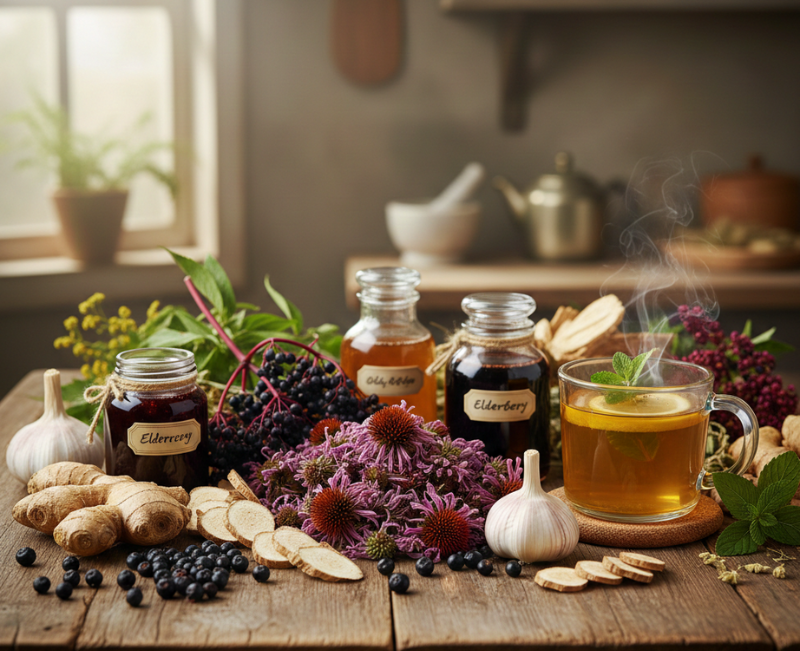
When temperatures drop and seasonal viruses begin to circulate, many turn to nature’s pharmacy for relief. Finding the best herbs for flu and cold is a priority for those seeking to support their body’s defenses through evidence-based, natural methods. While no herb is a “cure-all,” several plants have been recognized by health authorities for their ability to modulate immune responses and reduce the severity of symptoms. 

The Top 5 Plant-Based Immune Boosters for Cold and Flu


1. Echinacea (Echinacea purpurea)

Widely regarded as a cornerstone of immune support, Echinacea is prized for its ability to stimulate white blood cell activity. This vibrant purple flower is frequently utilized to decrease the odds of infection or to shorten the duration of acute illness. Meta-analyses indicate that Echinacea can reduce the risk of developing a cold by 58%, effectively accelerating the recovery timeline by approximately 1.4 days [1], [5].

2. Elderberry (Sambucus nigra)

Consistently ranked among the premier plant-based immune boosters, Elderberry is rich in anthocyanins—pigments that may prevent viral adhesion to cell walls. Clinical trials have demonstrated that patients utilizing elderberry extract reported significant symptom relief up to four days earlier than those in placebo groups, making it a powerful ally for easing upper respiratory distress [3], [4].

3. Garlic (Allium sativum)

Beyond its culinary utility, Garlic serves as a powerhouse for respiratory health through its primary compound, allicin. Research suggests that regular consumption can reduce cold frequency by over 60%, while simultaneously enhancing the function of critical immune cells like macrophages and T-cells to speed up recovery time [1], [6].

4. Ginger (Zingiber officinale)

Valued for its “warming” properties and potent gingerols, Ginger is a premier anti-inflammatory agent. It is particularly effective at soothing sore throats and blocking viral attachment to respiratory cells. By modulating the body’s inflammatory response, it addresses the physical aches and discomfort associated with seasonal viral infections [7], [8].

5. Astragalus (Astragalus membranaceus)

A staple of Traditional Chinese Medicine, Astragalus acts as a potent adaptogen designed to strengthen the body’s “protective qi.” It earns its reputation by increasing the production of interferons—proteins that signal the immune system to repel viral invaders. It is most effective as a long-term preventative measure to fortify the immune barrier before symptoms arise [2], [9].

Conclusion

Integrating the best herbs for flu and cold into your winter wellness routine can provide significant support for your respiratory system. By utilizing these top 5 plant-based immune boosters, you are leveraging traditional wisdom backed by modern clinical evidence. As always, consult with a healthcare professional before starting any new herbal regimen, particularly if you have an autoimmune condition or are taking prescription medications.

References

[1] PubMed Central (PMC): Evaluation of echinacea for the prevention and treatment of the common cold https://pmc.ncbi.nlm.nih.gov/articles/PMC7106401/
[2] NCCIH (National Institutes of Health): Colds, Flu, and Complementary Health Approaches https://www.nccih.nih.gov/health/colds-flu-and-complementary-health-approaches
[3] PubMed Central (PMC): Elderberry for prevention and treatment of viral respiratory illnesses https://pmc.ncbi.nlm.nih.gov/articles/PMC8026097/
[4] ScienceDirect: Elderberry supplementation reduces cold duration and symptoms https://www.sciencedirect.com/science/article/pii/S187638201930041X
[6] PubMed (NIH): Preventing the common cold with a garlic supplement https://pubmed.ncbi.nlm.nih.gov/11697022/
[7] PubMed (NIH): Fresh ginger (Zingiber officinale) has anti-viral activity https://pubmed.ncbi.nlm.nih.gov/23123794/
[9] NCCIH (National Institutes of Health): Astragalus: Usefulness and Safety https://www.nccih.nih.gov/health/astragalus

Butterfly Pea Flower Herbal Tea: 5 Powerful Health Benefits with Magic Recipes

Butterfly Pea Flower Herbal Tea: 5 Powerful Health Benefits with Magic Recipes

In the landscape of modern wellness, few ingredients are as visually arresting or as biologically intriguing as butterfly pea flower herbal tea. Known scientifically as ‘Clitoria ternatea’, this vibrant blue infusion has transitioned from a traditional Southeast Asian staple to a global functional beverage phenomenon. Often referred to as “Blue Tea,” this herbal infusion is celebrated not just for its mesmerizing color-changing properties, but for a robust profile of antioxidants that support cognitive function and metabolic health [1], [10].

What is Butterfly Pea Flower Herbal Tea?

Butterfly pea flower herbal tea is a caffeine-free infusion made from the dried petals of the ‘Clitoria ternatea’ plant. Native to equatorial Asia, particularly Thailand and Vietnam, the plant is a vigorous creeper known for its striking cobalt-blue flowers.

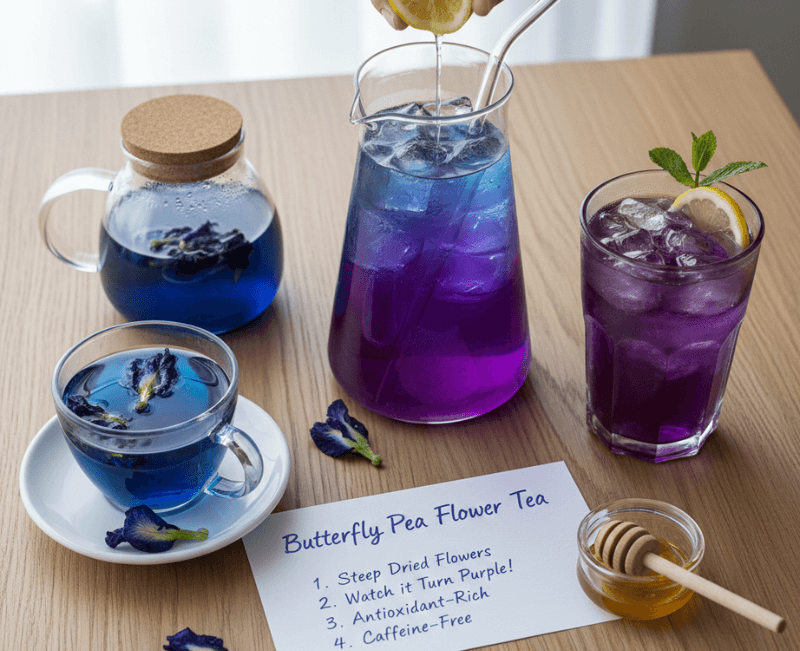
The most famous characteristic of this tea is its pH sensitivity. The deep blue liquid contains high concentrations of anthocyanins. When the tea is mixed with an acidic ingredient—like lemon or lime juice—the pH level drops, causing the color to shift from a serene blue to a vivid magenta or deep purple [5], [9].

Health Benefits of Butterfly Pea Flower Herbal Tea

Authority sources in pharmacology and nutrition have identified several key bioactive compounds, primarily ‘ternatins’ (a type of anthocyanin), which provide the following benefits:

Rich in Potent Antioxidants

The primary health appeal lies in its high concentration of antioxidants. Research indicates that ternatins help reduce oxidative stress and inflammation in the body [2], [10]. These antioxidants are comparable to those found in green tea and blueberries.

Supports Skin and Hair Health

Studies suggest that the flower’s antioxidants can help support collagen structure and skin elasticity [3]. Additionally, bioflavonoids may stimulate blood flow to the scalp, potentially strengthening hair follicles [4], [7].

Cognitive and Brain Support

In traditional Ayurvedic medicine, Clitoria ternatea has been used as a “Medhya Rasayana” (brain tonic). Modern preliminary studies show the extract may increase levels of acetylcholine, a neurotransmitter essential for memory and learning [5], [8].

Blood Sugar Regulation

Clinical evidence suggests the tea may help inhibit enzymes (like alpha-glucosidase) that break down carbohydrates, potentially helping to stabilize blood sugar levels after meals [6], [10]

Aids Weight Management

Research indicates that ternatins in the extract can inhibit adipogenesis—the formation and maturation of new fat cells—by regulating signaling pathways like PPAR-γ to block lipid synthesis [11], [12]. Furthermore, by inhibiting digestive enzymes, the tea helps prevent insulin spikes that are often responsible for fat accumulation [13].

Culinary Recipes

Because this tea is a herbal infusion, it is naturally caffeine-free, making it an excellent choice for any time of day.

Recipe Key Ingredients Prep Highlight
Traditional Hot Brew Dried flowers, hot water, honey/ginger Steep for 5–7 minutes at 90°C.
Magic Lemonade Blue tea, lemon juice, ice, syrup Add citrus to trigger the purple color shift.


Traditional Hot Brew (Nam Dok Anchan)

1. Steep 5–10 dried flowers in 1 cup of hot water (approx. 90°C).
2. Let sit for 5–7 minutes.
3. Strain the petals for a vivid blue infusion with an earthy, bean-like flavor [7], [8].

The “Magic” Color-Changing Lemonade

1. Fill a glass with ice and cooled blue tea.
2. Slowly pour 1–2 tablespoons of fresh lemon juice over the top.
3. Watch as the pH change transforms the drink from blue to vibrant purple [7], [9].

Butterfly-Pea-Flower-Herbal-Tea-Recipes

Conclusion

Whether you are drawn to it for its striking visual appeal or its impressive array of antioxidants, butterfly pea flower herbal tea is a versatile addition to any wellness routine. From supporting cognitive health to providing a caffeine-free alternative to traditional teas, the benefits of this “blue gold” are backed by both centuries of tradition and emerging modern science [10].

References

[1] MDPI – Plants: Clitoria ternatea: Perspectives on Its Application in Foods and Potential Health Benefits https://www.mdpi.com/2223-7747/14/21/3322
[2] Healthline: Butterfly Pea Flower (Blue Tea): Benefits and Side Effects https://www.healthline.com/nutrition/butterfly-pea-flower-benefits
[3] Vinmec Health Care: Benefits of Butterfly Pea Flower Tea for Skin and Beauty https://www.vinmec.com/eng/blog/what-are-the-benefits-of-butterfly-pea-flower-tea-en
[4] Mega We Care: Top 18 Health Benefits of Butterfly Pea Flower https://www.megawecare.com/top-18-health-benefits-of-butterfly-pea-flower/
[5] PharmEasy: Butterfly Pea Flower – Uses, Benefits, & More https://pharmeasy.in/blog/butterfly-pea-flower-uses-benefits-side-effects-more/
[6] PubMed Central (PMC): Butterfly Pea (Clitoria ternatea) Applications in Medicine https://pmc.ncbi.nlm.nih.gov/articles/PMC6546959/
[7] Tasty Thais: Butterfly Pea Tea & How to Make It in 10 Minutes https://tastythais.com/butterfly-pea-tea-how-to-make-it/
[8] ResearchGate: Blue Tea – A Magic Tea (Preparation & Benefits) https://www.researchgate.net/publication/374265144_Blue_Tea_A_Magic_Tea
[10] Tea Tonic: The Benefits of Drinking Butterfly Pea Tea https://teatonic.com.au/blogs/journal/the-benefits-of-drinking-butterfly-pea-tea
[11] MDPI – Anti-Adipogenic Effects of Delphinidin-3-O-β-Glucoside in 3T3-L1 Preadipocytes and Primary White Adipocytes https://www.mdpi.com/1420-3049/24/10/1848
[12] Amerta Nutrition (2023): A Systematic Review of Butterfly Pea Flowers (Clitoria ternatea L.) in Reducing Body Weight and Improving Lipid Profile in Rodents with Obesity. https://e-journal.unair.ac.id/AMNT/article/view/45738
[13] PubMed Central (PMC):Acute effect of Clitoria ternatea flower beverage on glycemic response and antioxidant capacity in healthy subjects: a randomized crossover trial https://pubmed.ncbi.nlm.nih.gov/29310631/