Winter Herbal Detox Drinks Recipes

Winter Herbal Detox Drinks Recipes

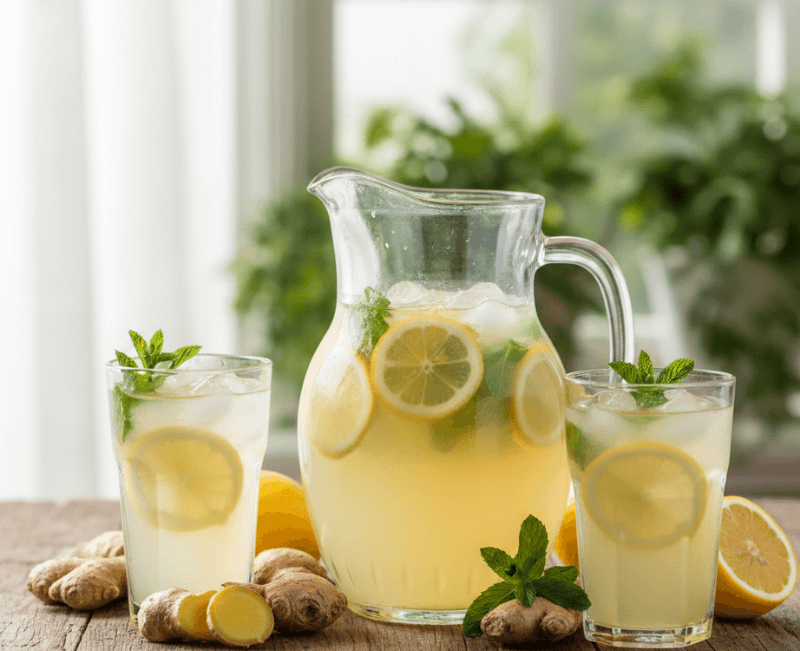
Winter herbal detox drinks serve as warming tonics that support digestion, boost the immune system, and help the body manage seasonal transitions [1][10]. During the colder months, these beverages are often formulated with “warming” spices like ginger, cinnamon, and turmeric to stimulate circulation and metabolism [1][13]. The use of warm water is preferred over ice-cold water to avoid shocking the digestive system [1][9].


1. The Lemon, Ginger, and Turmeric Tonic

This classic combination is prized for its anti-inflammatory and immune-boosting properties during the peak of flu season [5][14].

  • The Science: Gingerols in ginger ease nausea and support digestive motility [1][13]. Turmeric contains curcumin, which supports liver function and natural detoxification pathways [4][11]. Black pepper is essential to increase curcumin bioavailability and absorption [3][5].


  • Preparation: Combine fresh grated ginger, turmeric, and a pinch of black pepper in hot water [4]. Add fresh lemon juice only after the tea has cooled slightly to preserve the heat-sensitive Vitamin C content [2][5].

2. Cinnamon and Raw Honey Elixir

A soothing drink that helps regulate blood sugar and provides a natural energy boost during dark winter days [7][8].

  • The Science: Cinnamon is rich in polyphenols that improve insulin sensitivity and help the body process carbohydrates efficiently [6][8].
    Raw honey acts as a natural antimicrobial agent and is frequently used to soothe winter coughs [6][7].


  • Preparation: Steep a cinnamon stick in hot (not boiling) water for approximately 10 minutes [7].
    Add honey once the water is drinkable, as boiling temperatures can destroy the beneficial enzymes found in raw honey [6][8].

3. Ayurvedic CCF Tea (Cumin, Coriander, Fennel)

In Ayurveda, this “triple seed” tea is renowned for stoking the “Agni” (digestive fire) and flushing out seasonal toxins [9][12].

  • The Science: Cumin aids in the secretion of digestive enzymes, fennel helps expel gas to reduce bloating, and coriander supports kidney function [9][12].


  • Preparation: Boil 1/2 teaspoon of each whole seed in 2-3 cups of water for 5 minutes, strain, and sip warm throughout the day [9][12].

4. Apple Cider Vinegar (ACV) & Cayenne Detox

A more intensive drink designed to jumpstart the metabolism and support the lymphatic system [3][10].

  • The Science: ACV helps stabilize blood sugar and balance gut flora, while cayenne pepper contains capsaicin, which stimulates circulation and clears nasal congestion [2][3].


  • Preparation: Mix 1–2 tablespoons of raw ACV and a dash of cayenne pepper into 16 ounces of warm water
    [2][3].

References

[1] Nutritionist Resource: 3 detox drinks and say goodbye to winter
https://www.nutritionist-resource.org.uk/articles/3-detox-drinks-and-say-goodbye-to-winter
[2] Byrdie: 14 Detox Water Recipes to Boost Your Metabolism
https://www.byrdie.com/detox-water-recipes
[3] Dr. Axe: Secret Detox Drink Recipe
https://draxe.com/recipes/secret-detox-drink/
[4] Tasty Thrifty Timely: Ginger Turmeric Tea: Your Powerful Daily Tonic
https://tastythriftytimely.com/ginger-turmeric-tea-your-powerful-daily-tonic/
[5] Nourish Move Love: Detox Tea Recipe: Lemon Ginger Turmeric
https://www.nourishmovelove.com/lemon-ginger-turmeric-detox-tea/
[7] Pleva: Honey with cinnamon to lose weight and improve digestion
https://www.pleva.cz/en/a/honey-with-cinnamon-to-lose-weight-relax-and-lower-the-cholesterol-level
[8] Healthline: Honey and Cinnamon: A Powerful Remedy or a Big Myth?
https://www.healthline.com/nutrition/honey-and-cinnamon
[9] Arohan Yoga: 15 Ayurvedic Detox Drinks to Rejuvenate Your Body
https://arohanyoga.com/blog/15-ayurvedic-detox-drinks-to-cleanse-and-rejuvenate-your-body/
[12] Wellness Mama: Delicious Herbal Tea Recipes and Their Benefits
https://wellnessmama.com/recipes/health-boosting-herbal-teas/
[13] Healtheries: The Benefits of Lemon and Ginger
https://healtheries.co.nz/articles/the-benefits-of-lemon-and-ginger
[14] Healthline: 7 Benefits of Drinking Lemon-Ginger Tea Before Bed
https://www.healthline.com/nutrition/lemon-ginger-tea-before-bed

The Science-Backed Guide to Herbal Medicine: Intelligent Integration for Modern Health

In an era defined by “prescription fatigue,” many health-conscious adults are seeking alternatives to the cycle of synthetic medications and their potential side effects. Yet, the world of natural remedies is often clouded by skepticism, with valid questions about safety and efficacy frequently lost amidst “woo-woo” pseudoscience. You are likely looking for more than just anecdotes; you want validated solutions that bridge the gap between traditional wisdom and modern science.

Welcome to the “Intelligent Integration” framework. This guide moves beyond the binary of “natural versus pharmaceutical” to offer a medically rigorous roadmap for your health. Here, we prioritize safety, analyze the benefit-to-risk ratio, and rely on high-level clinical evidence to determine what actually works. From understanding the botany behind the cure to implementing specific protocols for stress and inflammation, this is your definitive resource for navigating herbal medicine with confidence.

What Is Herbal Medicine? Defining the Pharmacy in Nature

Herbal medicine, also known as phytotherapy, is the practice of using plant-derived substances to treat or prevent illness. Unlike homeopathy, which uses highly diluted substances where often no molecules of the original material remain, herbal medicine utilizes the measurable biological activity of plants. According to the National Center for Complementary and Integrative Health (NCCIH), these products are a type of dietary supplement that can contain entire plants or plant parts [1].

To understand why these remedies work, we must look at the “Pharmacy in Nature.” Medicinal plants are not magic; they are chemical factories. They produce active compounds—such as alkaloids, flavonoids, and terpenes—that interact with human physiology. For example, the pain-relieving properties of willow bark are due to salicin, a compound chemically similar to aspirin. Understanding this distinction between botany and pharmacology is the first step in using herbs as targeted therapeutics rather than vague wellness boosters.

For a comprehensive look at how lifestyle factors influence these biological interactions, Learn about the ‘Whole Person Health’ approach. Additionally, to explore the vast array of botanicals recognized today, you can Browse the MedlinePlus Herbs and Supplements directory.

The High-Evidence Tier List: Best Natural Herbs for Health

Not all natural remedies are created equal. To practice Intelligent Integration, we utilize a “Clinical Evidence Scorecard.” This approach prioritizes herbs that have been validated by systematic reviews and meta-analyses—the gold standard of medical evidence—over those supported only by animal studies or tradition.

For a robust database of clinical summaries, you can Search the Memorial Sloan Kettering ‘About Herbs’ database. Below, we detail three top-tier herbs that have demonstrated significant efficacy in recent clinical trials.

Ashwagandha: The Stress-Response Modulator

Ashwagandha (Withania somnifera) is a cornerstone of Ayurvedic medicine, often classified as an adaptogen—a substance that helps the body resist stressors. Modern science has begun to validate this mechanism, particularly its ability to modulate cortisol levels.

A landmark 2022 systematic review and meta-analysis published in Phytotherapy Research aggregated data from 12 randomized controlled trials involving over 1,000 participants. The findings were robust: Ashwagandha supplementation significantly reduced anxiety levels (Standardized Mean Difference [SMD]: -1.55) and stress levels (SMD: -1.75) compared to placebo [2]. These specific statistical values provide the concrete validation necessary to recommend Ashwagandha as a primary intervention for stress management.

Turmeric & Curcumin: The Inflammation Powerhouse

Chronic inflammation is a root cause of many modern ailments, from arthritis to heart disease. Turmeric, specifically its active compound curcumin, is perhaps the most researched natural anti-inflammatory agent. However, it is crucial to distinguish between the culinary root and standardized curcumin extracts, as the latter offers the bioavailability required for therapeutic effects.

A 2024 “Umbrella Review” published in the journal Nutrients synthesized findings from multiple meta-analyses. The review confirmed that curcumin significantly reduces inflammatory markers like CRP and TNF-α. Notably, when compared to non-steroidal anti-inflammatory drugs (NSAIDs), curcumin extracts showed similar effects on joint pain without the gastrointestinal side effects often associated with long-term NSAID use [3].

Oregano & Immunity: Beyond the ‘Booster’ Myth

The search for an “immune system booster” often leads to misinformation. Scientifically, “boosting” the immune system indefinitely could lead to autoimmunity; the goal is regulation and support. Oregano oil is a powerful tool in this regard, largely due to its high concentration of carvacrol.

Carvacrol is a phenolic monoterpenoid that has demonstrated potent antimicrobial properties. Research indicates that oregano leaves rich in carvacrol can be effective against various pathogens, including norovirus [4]. By supporting the body’s defense mechanisms against external invaders, oregano oil serves as a targeted antimicrobial agent rather than a vague “booster.”

Safety First: A Beginner’s Protocol for Natural Remedies

The most dangerous misconception in herbal medicine is that “natural” equals “safe.” Arsenic and hemlock are natural, but they are certainly not safe. Beginners must adopt a rigorous safety protocol that involves reading labels for standardization (ensuring you get the active compound, not just ground-up root) and, most importantly, checking for drug interactions.

Contraindications & Interactions

Herbs can alter the way your liver processes prescription medications.

  • St. John’s Wort: A potent inducer of cytochrome P-450 enzymes. It can accelerate the metabolism of oral contraceptives and cyclosporine, rendering them ineffective [5].
  • Goldenseal: Inhibits two major metabolic enzymes, CYP2D6 and CYP3A4. Since these enzymes metabolize over half of currently used pharmaceuticals, Goldenseal can cause dangerous build-ups of other drugs in your system [5].

Always consult your healthcare provider before starting a new regimen. To investigate potential conflicts with your specific medications, Review the NCCIH guide to herb-drug interactions.

Herbal Medicine vs. Pharmaceuticals: A Comparative Analysis

When weighing herbal medicine against pharmaceuticals, the “Benefit-to-Risk Ratio” is your best decision-making tool. Pharmaceuticals often provide rapid, potent relief but may come with a higher risk of side effects, such as gastrointestinal disruption or dependency. Herbal medicine often acts more slowly, targeting systemic balance with generally fewer adverse events, provided quality products are used.

It is also vital to address the confusion surrounding “synthetic drug alternatives.” In some contexts, this term refers to dangerous, illicit synthetic substances like “K2” or “bath salts.” The DEA has identified hundreds of these unregulated compounds, which often contain unknown chemical formulas with unpredictable and life-threatening effects [6]. In the context of health, we are seeking natural alternatives to synthetic pharmaceuticals—safe, regulated plant extracts that offer a legitimate therapeutic option without the risks associated with illicit synthetic street drugs.

Targeted Toolkits: Integrating Herbs into Your Life

Intelligent Integration means combining high-quality herbs with lifestyle changes for a holistic effect. Here are targeted toolkits for common issues.

The Pain Management Toolkit

  • Immediate Relief: Topical Capsaicin. Derived from chili peppers, capsaicin cream has been shown to reduce pain by up to 50% with regular use by depleting Substance P, a neurotransmitter that sends pain signals to the brain.
  • Systemic Support: Curcumin supplements to lower baseline inflammation [3].
  • Lifestyle Foundation: An anti-inflammatory diet rich in leafy vegetables and omega-3s, which research links to reduced swelling and pain markers [7].

The Immune Infrastructure

  • Support: Oregano oil (carvacrol) for acute exposure [4].
  • Foundation: Sleep. No herb can replace the immune-regulating power of 7-9 hours of quality sleep.

Frequently Asked Questions About Herbal Medicine

Is herbal medicine recognized by modern science?
Yes, but specific validation varies by herb. As discussed, substances like Ashwagandha and Curcumin are supported by high-level meta-analyses published in respected journals like Phytotherapy Research and Nutrients [2] [3].

What is the difference between herbal medicine and homeopathy?
Herbal medicine uses plant extracts with measurable active ingredients (like carvacrol in oregano). Homeopathy relies on extreme dilution, often to the point where no active molecules remain.

Are natural remedies effective for chronic diseases?
They can be highly effective for managing symptoms and underlying causes, such as inflammation in arthritis. However, they should be part of an integrative plan supervised by a doctor, not a replacement for life-saving medication in acute conditions.

Conclusion

The “Intelligent Integration” framework empowers you to take control of your health by combining the best of nature with the rigor of science. By choosing high-evidence herbs like Ashwagandha and Turmeric, respecting the power of active compounds through safety protocols, and integrating these remedies into a healthy lifestyle, you can address the root causes of pain and stress.

Do not settle for anecdotal advice. Consult your healthcare provider, reference the clinical data, and approach herbal medicine as a sophisticated, science-backed component of your total well-being.

Medical Disclaimer: This content is for informational purposes only and does not constitute medical advice, diagnosis, or treatment. Always seek the advice of your physician or other qualified health provider with any questions you may have regarding a medical condition. Affiliate Disclosure: This article may contain affiliate links.

References

  1. National Center for Complementary and Integrative Health (NCCIH). (N.D.). Herbal Medicine. National Institutes of Health.
  2. Akhgarjand, C., et al. (2022). Does Ashwagandha supplementation have a beneficial effect on the management of anxiety and stress? A systematic review and meta-analysis of randomized controlled trials. Phytotherapy Research.
  3. Fusar-Poli, L., et al. (2024). Curcumin and Multiple Health Outcomes: Critical Umbrella Review of the Evidence. Nutrients.
  4. National Center for Complementary and Integrative Health (NCCIH). (N.D.). Oregano. National Institutes of Health.
  5. National Center for Complementary and Integrative Health (NCCIH). (N.D.). Herb-Drug Interactions: What the Science Says (Clinical Digest for Health Professionals). National Institutes of Health.
  6. National Institute on Drug Abuse (NIDA). (N.D.). Synthetic Cathinones (“Bath Salts”) DrugFacts. National Institutes of Health.
  7. National Library of Medicine. (N.D.). Dietary Interventions for Arthritis and Inflammation. NCBI Bookshelf.
Natural Libido Pills: Boost Your Sex Drive with Nature’s Power

Natural Libido Pills: Boost Your Sex Drive with Nature’s Power

Are you looking for an exceptional way to boost your libido without synthetic medications? If so, you may want to consider using natural libido pills. These herbal supplements are made with all-natural ingredients and can help increase your sex drive safely and effectively. In this article, we will discuss what natural libido pills are, how they work, and the benefits they can provide. We will also list our top five picks for the best natural libido pills on the market. Keep reading to learn more!

What are Natural Libido Pills, and How Do They Work?

Many men suffer from low libido at a certain point in their lives. There can be some causes, ranging from stress to medication side effects. For some men, a low libido can be a source of great distress. Fortunately, natural libido pills are available to help improve sexual desire.

Natural libido pills typically contain a blend of herbs and other natural ingredients that have been depicted to boost sexual desire. For example, one common ingredient is Tribulus Terrestris. This herb has been used for many years in traditional Chinese medicine to treat erectile dysfunction and low libido. In addition, ginseng is another popular ingredient in natural libido pills. This herb is thought to increase energy levels and reduce stress, which can contribute to a healthy sex life.

You must speak with your doctor if you’re interested in trying natural libido pills. While these supplements are generally safe, they may interact with certain medications. Once you’ve got the green light from your doctor, you can start exploring the options available and find the supplement that works best for you. With regular use, you may notice an increase in your libido and overall sexual well-being.

The Benefits of Taking Natural Libido Pills

There are many benefits to taking natural libido pills. For one, they can help to improve sexual function and increase libido. They can also help enhance sexual energy and stamina, as well as increase blood flow to the genitals. Natural libido pills can also help reduce anxiety and stress, which can majorly cause low libido. Additionally, they can help to improve overall health and well-being. Natural libido pills can provide a wide range of benefits that can enhance sexual function and increase libido.

How to Choose the Right Natural Libido Pill for You?

With so many different natural libido pills on the market, it can be very difficult to know which is correct. Here are a few excellent things to consider when making your decision:

  • First, question yourself about what you want to achieve. Do you want to increase your sex drive, or are you looking for a way to improve your performance in the bedroom? Different pills focus on other areas, so choose one that will meet your specific needs.
  • Second, consider your budget. Natural libido pills can vary widely in price, so it’s essential to find one that fits your budget. There’s no need to overspend on something that may not work for you, so be sure to research and compare prices before making your final decision.
  • Finally, take the time to read reviews. This is one of the excellent ways to get an idea of whether or not a particular pill will be effective for you. Be sure to read both positive and negative reviews, and look for any red flags indicating a product is not worth your time or money.

By following these simple tips, you can be confident that you’ll find the right natural libido pill. With some research, you can soon enjoy improved sexual health and more active sex life.

Where to Buy Such Pills?

When it comes to boosting your libido, a few different options are available to you. You can try synthetic pills that contain chemicals, or you can go the natural route and take herbal supplements. You have a few options if you’re interested in buying natural libido pills. Health food stores are an excellent place to start, as they typically carry a wide range of supplements. You can also find natural libido pills online, though it’s important to research to ensure that you’re buying from a reputable source. Finally, your doctor can recommend a specific supplement for you. By exploring your options, you can find the best way to boost your libido naturally.

Reference

  1. Pellow, J., & McGrath, L. (2016). Herbal medicine for low sexual desire in menopausal women: A clinical review. Complementary Therapies in Clinical Practice, 25, 122–129. https://doi.org/10.1016/j.ctcp.2016.09.007
What Is Sea Moss Good For? 15 Benefits

What Is Sea Moss Good For? 15 Benefits

Sea moss, or Chondrus Crispus, is a type of red algae that grows in the Atlantic Ocean. It’s been used for centuries as a traditional remedy in Ireland and other parts of Europe.

Recent scientific research confirms that sea moss is a superfood packed with nutrients that offer numerous health benefits.

So join our experts on herbal supplements here at Herbsmedicine.net to find out more about this amazing plant and what it can do for you!

First, let’s start by finding out the mini answer.

Sea moss is a superfood and is good for many conditions including boosting your overall health and protecting your immune system. It is an excellent source of iodine which is important for thyroid health. Iodine is also beneficial for cognitive function, energy levels, and overall metabolism.

Ok so with the mini answer in place, let’s delve a little deeper and find out more about exactly what sea moss is.

What Is Sea Moss?

Sea moss, also known as Irish moss, is a type of seaweed that grows on the rocky coasts of the Atlantic Ocean. 

It gets its name from its greenish-brown color and its ability to hold large amounts of water, which gives it a gel-like texture.

This seaweed is used in a variety of ways, including as a food additive, natural medicine, and cosmetics ingredient. It’s harvested by hand and has been used for centuries as a source of nutrition and healing.

Are Sea Moss and Carrageenan the Same Thing?

No, sea moss and carrageenan are not the same things.

Carrageenan is a processed form of seaweed that has been linked to digestive issues, while sea moss is a whole food that is rich in nutrients.

Carrageenan is processed by stripping away certain components of the seaweed, which can leave it with fewer health benefits.

Can Sea Moss Detox Your Body?

Sea moss has many health benefits, including the ability to detox the body, improve hair and skin health, and boost immunity.

This sea-born superfood can detox your body by binding to toxins and helping to remove them from your body

It can also improve skin and hair health by providing essential vitamins and minerals, as well as boosting immunity.

Registered dietitian and co-founder of The Food Trends, Ana Reisdorf, says that sea moss “may be one of the most nutrient-dense foods on the planet.” She adds that it is “a rich source of many vitamins, minerals, polyunsaturated fats, and anti-inflammatory compounds.”

What are the Benefits of Sea Moss for Your Skin?

Sea moss contains a wealth of vitamins, proteins, and minerals that can help keep your skin and hair healthy. 

Its rich moisturizing properties come from its high levels of potassium chloride, which has been shown in scientific studies to help with skin conditions like eczema.

Here are some of the ways that Sea moss can help support skin health

  • Reduces Inflammation
  • Moisturizes the skin
  • Heals wounds and scars
  • Prevention of stretch marks
  • Reduces fine lines and wrinkles
  • Fades age spots
  • Relieves eczema and psoriasis
  • Soothes sunburns
  • Reduces acne

What are the Benefits of Sea Moss for Your Hair?

  • Moisturizes the scalp
  • Prevents dandruff
  • Conditions the hair
  • Adds shine and luster to the hair

What Is Sea Moss Good for?

So, what is sea moss good for? Here are 17 potential benefits of sea moss

1. Boosts immune system

Sea moss is rich in vitamins A, C, and E, as well as several minerals that are essential for a healthy immune system, such as zinc and selenium.

Additionally, the anti-inflammatory properties of sea moss may help to reduce inflammation in the respiratory tract.

2. Fights infection

Sea moss has antiviral and anti-bacterial properties that may help fight off infections.

 3. Reduces inflammation

The anti-inflammatory properties of sea moss may help to reduce inflammation throughout the body.

The anti-inflammatory properties of sea moss may help to reduce inflammation throughout the body.

This can lead to reduced pain and swelling in conditions like arthritis and asthma.

 4. Aids digestion

Sea moss is a good source of fiber, which can help with bowel regularity and digestion.

Additionally, the mucilage in sea moss can help to soothe an upset stomach.

 5. Relieves allergies

The anti-inflammatory properties of sea moss may help to reduce symptoms of allergies, such as runny nose, congestion, and sneezing.

 6. Supports respiratory health

Sea moss is rich in vitamins A and C, both of which are essential for a healthy respiratory system.

7. Boosts energy

Sea moss is a good source of iron, which is essential for energy production.

Additionally, the B vitamins in sea moss can help to convert food into energy.

8. Improves digestion

Sea moss is a good source of fiber, which is important for a healthy digestive system. The anti-inflammatory properties of sea moss may also help to reduce inflammation in the digestive tract.

 9. Promotes weight loss

The high fiber content of sea moss can help to promote weight loss by keeping you feeling full after meals and reducing cravings. Rich antioxidants in sea moss may also help to boost metabolism and burn fat.

10. Improves circulation

The iron content of sea moss can help to improve circulation by carrying oxygen-rich blood to cells throughout the body.

 11. Boosts energy levels

Sea moss is a good source of iron, which is essential for red blood cell production and energy metabolism.

12. Strengthens bones

The calcium and phosphorus in sea moss can help to strengthen bones and prevent osteoporosis.

13. Relieves pain

The anti-inflammatory properties of sea moss can help to relieve pain and stiffness associated with arthritis and other inflammatory conditions.

14.  Heals wounds

The antimicrobial and anti-inflammatory properties of sea moss make it an effective treatment for wounds.

15. Fights tooth decay

The minerals in sea moss can help to fight tooth decay and keep teeth healthy.

Ok, so what is it that makes sea moss such a well-being and overall health boost?

Find out more below.

What Is in Sea Moss?

Sea moss is nutrient-rich which helps support the skin and the immune system. According to research from Cleveland University, it can also help protect against heart disease by lowering cholesterol.

Iodine

Iodine is important for healthy thyroid function. It helps to regulate metabolism, body temperature, and hormonal balance.

Sea moss is unique for its iodine content, says Robin Foroutan, RDN, a registered dietitian with The Morrison Center in New York City.

Potassium

Potassium is an electrolyte that helps to regulate blood pressure and heart function. and also helps to maintain fluid balance in the body.

It is also involved in muscle contraction, nerve function, and blood pressure regulation.

Calcium

Calcium is essential for strong bones and teeth. It also helps to regulate muscle contractions and nerve function.

Magnesium: Magnesium is involved in energy production, DNA synthesis, and protein formation and is an important part of clinical medicine  

Additionally, it helps to regulate blood sugar levels and blood pressure. Magnesium is a mineral that is also involved in many biochemical reactions in the body. It is necessary for energy production, muscle contraction, nerve function, and blood clotting.

Sulfur

Sulfur is important for the health of hair, skin, and nails.

It also helps to detoxify the liver and improve digestive function.

Chlorophyll

Chlorophyll is a plant pigment that has powerful antioxidant and anti-inflammatory properties.

Amino acids

Amino acids are the building blocks of proteins.

They are necessary for the growth and repair of tissues, and they also play a role in the production of hormones and enzymes.

Iron

Iron is a mineral that is necessary for the production of hemoglobin, a protein that carries oxygen in the blood.

This Iron is also involved in energy production, metabolism, and immune function.

Calcium

Calcium is a mineral that is necessary for the development and maintenance of bones and teeth.

It is also involved in muscle contraction, nerve function, and blood clotting.

Zinc

Zinc is a mineral that is involved in many biochemical reactions in the body

It is necessary for the development and function of immune cells, and it also plays a role in wound healing.

Copper

Copper is a mineral that is involved in the absorption and transport of iron in the body. It is also involved in energy production, collagen production, and antioxidant activity.

Selenium

Selenium is a mineral that is involved in the production of antioxidant enzymes. These enzymes protect cells from damage caused by oxidative stress.

Manganese

Manganese is a mineral that is involved in the synthesis of collagen and other connective tissues. It also plays a role in energy production, antioxidant activity, and blood sugar regulation.

Vitamin K

Vitamin K is a vitamin that is involved in blood clotting and bone health. It also plays a role in the absorption of calcium from the diet.

Other nutrients in this power-packed sea vegetable include:

  • Phosphorus
  • Sodium
  • Chromium
  • Molybdenum
  • Vanadium
  • Lithium
  • Cobalt
  • Flouride
  • Dietary fibers

And to finish on…

So, we hope that’s given you lots of important information about sea moss and its power-packed benefits.

Sea moss is a nutrient-dense food that can be enjoyed in many different ways. It can be used to make smoothies, soups, or even added to baked goods.

To discover how to harvest and prepare sea moss, check out our other helpful article on Sea Moss.

NIH Recognized Weight Loss Ingredients: How to Choose the Perfect Ones

NIH Recognized Weight Loss Ingredients: How to Choose the Perfect Ones

Due to the unhealthy lifestyle and consumption of adulterated foods, the number of obese and overweight people is alarmingly increasing.  Medical science is tirelessly trying to find out a solution. In this effort, herbal or alternative medication is not also far behind. Different herbal pills have been introduced to support people trying to lose weight. These supplements are composed of various ingredients. This article will review the weight-loss ingredients that the American National Institutes of Health recognized as safe and effective.

Ingredients Found to be Effective in Science Journals

After a long review of clinical trials published in science journals, the American National Institutes of Health (NIH) prepared a fact sheet on dietary supplements for weight loss. The fact sheet of NIH recognized in the long run a number of ingredients that are really helpful and effective to lose weight.  They are as follows:

  • African Mango
  • Caffeine, Including Caffeine from Guarana, Kola Nut, Yerba Maté, or Other Herbs 
  • Carnitine
  • Green Coffee Bean Extract
  • Green Tea and Green Tea Extract
  • White Kidney Bean

Besides, NIH further recognized that there are some other ingredients that have to some extent capacity to lose weight such as bitter orange, chitosan, chromium, conjugated linoleic acid, and garcinia cambogia.

Apart from that probiotics have also been found to have inconsistent effects on body fat, waist and hip circumference, and body weight.

African Mango

African mango extract has popular use in weight loss supplements. Its scientific name is Irvingia gabonensis. African mango is a tree native to West Africa. Here, we are concerned with the fruit of this tree.

Mechanism of Action

African mango supports to lose weight by: [1, 2]

  • Preventing adipogenesis
  • Lowering leptin levels

Clinical Efficacy

A clinical trial on 102 overweight adults that the group of participants taking 300 mg of IGOB131® (African mango extract) daily experienced a substantial decrease in body weight and waist circumference. [3]

It is noteworthy that not enough data is available with regard to the clinical efficacy of African mango to lose weight. For this reason, medical scientists recommend much more extensive research to confirm the effectiveness of the African mango in reducing body weight.

    Safe Dosage and Side Effects

    African mango extract is found to be safe. An animal study showed that African mango extract at a dose of 2500mg per kg body weight daily for 90 days is found to be well tolerated. [4]

    There may be some mild adverse effects of African mango. They are as follows: [5]

    • Headache
    • Gas
    • Flatulence
    • Difficulty sleeping

    Besides, there is a reported case of renal failure in dialysis patient consuming African mango.

    African Mango During Pregnancy and Breastfeeding

    Since there is no sufficient data as to the safety of African mango during pregnancy and lactation, avoid the same for the interest of your baby. [6]

    Caffeine, Including Caffeine from Guarana, Kola Nut, Yerba Maté, or Other Herbs

    Caffeine is a natural stimulant. Its stimulant effect is mild in nature. It can enhance our energy and alertness immediately. [7]

    The rich sources of caffeine are guarana, kola nut, yerba mate. Also at the same time green tea, other forms of tea, and coffee contain caffeine. [7, 8]

    Mechanism of Action

    Caffeine helps to lose weight by: [9, 10]

    • Stimulating central nervous system
    • Boosting energy expenditure (thermogenesis)
    • Increasing breakdown of the fatty acid (fat oxidation)

    Clinical Efficacy

    A study on 167 overweight people for the duration of 6 months found that the group of people taking supplement composed of Kola Nut (caffeine) at a dose of 192mg/day and ma huang (ephedrine) at a dose of 90mg/day lost remarkably more weight than a placebo group. [11]

    It is noteworthy that the participants were asked to take their usual diet and exercise moderately.

    Another study on 47 overweight adult overweight people ranging for 45 days demonstrated that a supplement formed of 336mg of yerba mate, 285mg of guarana, and 108mg of damiana reduced significantly more weight in the treatment group compared to the placebo group.  [12]

    An observational study on 18,417 healthy males and 39,740 healthy females for a long period of 12 years reached the conclusion that caffeine is helpful in maintaining weight loss. [13]

      Safe Dosage and Side Effects

      The safe dose of caffeine ranges from 400mg to 500mg per day.

      The U.S. Food and Drug Administration (FDA) and the European Food Safety Authority (EFSA) recommend 400mg of caffeine per day. It amounts to 4 or 5 cups of coffee daily. [14, 15]

      Caffeine during Pregnancy and Breastfeeding

      Caffeine is safe during pregnancy and breastfeeding. Now the question is- what is the safe dose of caffeine for pregnant and breastfeeding mothers?

      As per the American College of Obstetricians and Gynecologists (ACOG), the consumption of caffeine less than 200 mg per day does not pose any risk of miscarriage or preterm birth. So, the safe dose of caffeine consumption for pregnant women is 200 mg per day. [16]  

      Likewise, as per the European Food Safety Authority (EFSA), consumption of 200 mg of caffeine by breastfeeding women poses no safety concerns for infants. [15]

      Carnitine

      Carnitine is a broad term for different compounds such as L-carnitine itself, several acylcarnitine (e.g., acetyl-L-carnitine), and propionyl-L-carnitine. Carnitine is a chemical that aids to convert fat into energy. It is synthesized form of two important types of amino acids lysine and methionine. [17]
      Carnitine is a natural element that is abundant in meat, fish, poultry, milk, and dairy products.

      Mechanism of Action

      It aids to lose weight by-

      • Increasing the breakdown of the fatty acid (fat oxidation)

      Clinical Efficacy

      In a study on 254 patients with type 2 diabetes, the medical scientists found that the group of patients taking 2g/day carnitine in combination with orlistat 360mg/day lost more weight compared to the group taking orlistat alone. [18]

      A meta-analysis of 37 randomized control trials involving 2292 showed that l-carnitine has the capacity to lose weight at a moderate level. [19]

        Safe Dosage and Side Effects

        Safe Dosage and Side Effects

        There is no safety concern about taking carnitine at a dose of 2g/day for up to one year and 4g/day for up to 56 days.

        The user may face the following side effects: [20]

        • Nausea
        • Vomiting
        • Fishy odor in the body
        • May increase TAMO (trimethylamine N-oxide), a risk factor for cardiovascular disease

        Carnitine during Pregnancy and Breastfeeding

        Severe deficiency of carnitine plasma concentration occurs during pregnancy and lactation. Therefore, if a normal diet fails to compensate for carnitine deficiency, carnitine supplementation becomes necessary to overcome the deficiency. [21, 22, 23]

        So, it can be said that carnitine is not only safe but also necessary.

        Green Coffee Bean Extract

        Green Coffee extract is collected from unroasted green coffee beans. The extract is the form of concentrated chlorogenic acid.

        Though the idea of green coffee extract’s capacity to lose weight dates back several years, it got momentum when Dr. Oz., an American celebrity physician, campaigned it as a magical weight loss component in 2012. [24]

        Now it is well-accepted that green coffee extract has the capacity to lose weight.

        Mechanism of Action

        It contributes to losing weight by:

        • Preventing fat accumulation
        • Formulating glucose metabolism.

        Clinical Efficacy

        A meta-analysis research report of three clinical trials published in Gastroenterology Research and Practice in 2010 demonstrated that green coffee beans at a dose of 180mg or 200mg/day decreased moderate weight loss. But the report claimed that the trials were of poor quality and of bias. [25]

        Regardless of criticisms of the quality of previous research, subsequent studies confirmed without raising any objection the efficacy of coffee beans in weight loss.

        For instance, a meta-analysis after the review of 13 articles and 16 randomized control trials published in Phytomedicine in 1919 revealed that the green coffee bean contributed substantially to losing weight. [26]

        A very recent randomized, double-blind study on 60 healthy overweight adults in 2021 shows that CGA 7 extracted from green coffee beans substantially lowered body weight. [27]

          Safe Dosage and Side Effects

          At a dose of 1000 mg for 4 to 12 weeks green coffee extract is found safe. [28] But there may be some adverse effects: [28]

          • Headache
          • Urinary tract infection

          Green Coffee Bean Extract during Pregnancy and Breastfeeding

          Since there is no sufficient data as to the safety of green coffee extract, it is better to stay on the safe side and abstain from using it. [28]

          Green Tea and Green Tea Extract

          In the domain of tea, green tea is the richest source of anti-oxidant properties. It has a low-calorie intake.  The components of caffeine and catechins present in green tea are catalysts for losing weight. But green tea contains less caffeine than coffee and black tea.

          Mechanism of Action

          Green tea or green tea extract helps to lose weight by: [29, 30, 31]

          • Boosting energy expenditure
          • Boosting Fat oxidation
          • Lowering lipogenesis
          • Lowering fat absorption

            Clinical Efficacy

            A review study of 14 randomized control clinical trials involving 1562 overweight adults that ranged from 12 to 13 weeks concluded that green tea supplements contributed to losing on an average 0.95 kg more weight than placebo. [32]

            Another review study of 15 randomized control trials demonstrated that green tea catechins at a dose of 576–690 mg/day combined with caffeine caused a significant reduction of body weight, but green tea catechins without caffeine had no effect on body weight.

              Safe Dosage and Side Effects

              Green tea extract at a dose of 250-500 mg/day is safe. [33] But it may have some side effects: [34]

              • Insomnia
              • Anxiety
              • Irritability
              • Nausea
              • Stomach discomfort
              • Liver damage in rare cases
              • Increase blood pressure and heartbeat

              Green Tea and Green Tea Extract during Pregnancy and Breastfeeding

              Green tea is safe during pregnancy at a moderate level. But in this respect, keep in mind that you have to limit the consumption of green tea due to the presence of two ingredients in green tea. They are caffeine and catechins. [35]

              Excess amount of caffeine is harmful to the tiny one in your womb and catechins deter the absorption of folic acid which is vital for forming neural tubes and preventing some birth defects in the baby. [35, 36]

              Consumption of green tea (an amount that equals high caffeine intake) by lactating mothers may cause fussiness, jitteriness, and poor sleep patterns in infants. [37]

              It is noteworthy that overall caffeine consumption for pregnant and lactating mothers up to 200 mg is safe a day. [16]

              With regard to green tea extract, an animal study demonstrated that prenatal consumption of green tea extract contributed to preventing inflammation in offspring after weaning but maternal consumption of green tea extract affected negatively as it led to developing a pro-inflammatory state in offspring after weaning. [38, 39]

              But the University of Maryland Medical Center advises abstaining from consuming green tea during pregnancy and lactation.

              White Kidney Bean

              White kidney bean is scientifically known as Phaseolus vulgaris L. [40] White kidney bean possesses α-amylase inhibitors that contribute to reducing and maintaining weight by blocking carbohydrates. A number of clinical studies substantiated the amazing capacity of this weight-loss ingredient to lose weight.

              Mechanism of Action

              White kidney bean supports to lose weight by:

              • Interfering with the breakdown and absorption of carbohydrates

                Clinical Efficacy

                A randomized double-blind study on 60 mildly overweight women taking 2,000–2,200-calorie meals found that a 445 mg daily dose of dried extract of Phaseolus vulgaris L. (white kidney bean extract) caused substantially more weight loss to the treatment group than the placebo group. The result also demonstrated that the extract reduced the circumferences of the waist, hip, and thigh. [41]

                A review study of 6 clinical trials involving 247 participants revealed that 445mg to 1500mg/day caused a significant decrease in body fat with no effect on body weight. [42, 43]

                Later on, two 12-week clinical trials on 123 and 49 overweight people revealed that Phaseolus vulgaris L. extract (white kidney bean extract) at a dose of 1000mg thrice a day (total 3000mg daily) caused a significant reduction of fat and weight in the treatment group compared to the placebo group. The trials used Litramine® and Glucosanol™ brands as Phaseolus vulgaris L. extract. [44, 45]

                In the subsequent 24-week trials, it was also surprisingly noticed that Phaseolus vulgaris L. extract was equally effective for weight maintenance along with weight reduction.

                  Safe Dosage and Side Effects

                  A Daily 3000mg dose of Phaseolus vulgaris L. extract is found safe. But there may be some minor side effects:

                  • Headaches
                  • Soft stools
                  • Flatulence
                  • Constipation

                  White Kidney Beans During Pregnancy and Breastfeeding

                  Beans (any type of beans) are not only safe but also a great source of folic acid, iron, and protein during pregnancy. As Cleveland Clinic advises the pregnant mother to take beans for the make-up of nutrition like iron, protein, and folic acid.

                  It is also safe during the period of lactation. As the Children’s Hospital of Philadelphia suggests breastfeeding mothers take beans among other foods.

                  But due to the lack of enough data as to the effect of Phaseolus vulgaris L. extract (white kidney bean extract) on pregnant and breastfeeding mothers, you should avoid the extract during pregnancy and breastfeeding.

                  How to Choose Perfect Weight Loss Ingredients

                  Listen to Your Body’s Demand

                  Different ingredients function in different ways to lose weight. So, decide which mechanism of action is fit for you to lose weight.

                  Consider Safety Concern

                  Although generally, any ingredient is safe in moderate doses, mild adverse effects may occur. So, consider whether your body is fit enough to withstand the side effects of the respective ingredients.

                  Take Allergic Reaction to the Ingredient into Account

                  It is a common phenomenon that all weight loss ingredients are not suitable for every individual. Where an ingredient is beneficial for normal people, that may be allergic to you. Consequently, you have to consider the allergic sensitivity of the material.

                  Weight Loss Supplements Based on These Ingredients

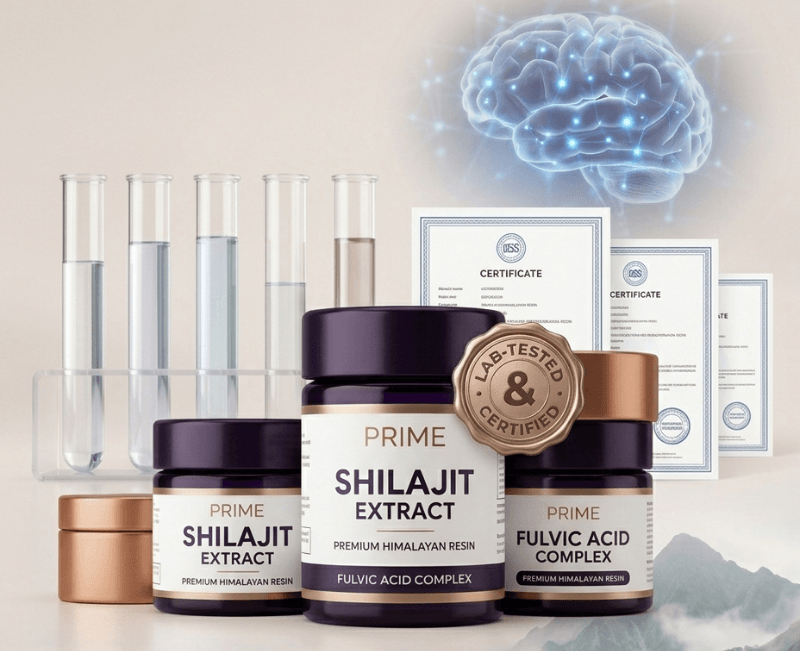
                  Prime Shred– Exclusive Weigh Loss Pill for Men

                  Among other ingredients, Prime Shred contains three ingredients mentioned in the NIH fact sheet with regard to dietary supplements for weight loss. They are as follows:

                  • Green Tea Extract
                  • Green Coffee
                  • Caffeine Anhydrous

                  Trimtone Exclusive Weigh Loss Pill for Women

                  Among other ingredients, Trimtone also possesses three ingredients from the NIH factsheet. They are underneath:

                  • Caffeine
                  • Green Coffee
                  • Green Tea

                  MeltaminEver best Weight Loss Beverage for Diabetic Patients

                  Meltamin is in the form of a beverage. From the NIH fact sheet, the following ingredients are found in this beverage:

                  • Garcinia Cambogia Fruit Extract
                  • Guarana Seed Extract
                  • Caffeine Anhydrous
                  • Bitter Orange Fruit Extract
                  • Green Tea Leaf Extract
                  • Chromium

                  Fat Burn Active – Suitable for Professional Athletes

                  From the NIH factsheet, the following ingredients are available in the supplement Fat Burn Active:

                  Guarana Seed Extract

                  Green Tea Leaf Extract

                  Bitter Orange Extract

                  Natural Caffeine Anhydrous

                  Burn XT T. Fat Burner – Suitable for Healthy Overweight People

                  The supplement Burn XT possesses the following ingredients of the NIH factsheet:

                  Acetyl L-Carnitine HCL

                  Green Tea Leaf Extract (Catechins)

                  Caffeine Anhydrous

                  Takeaway

                  The ingredients mentioned above are scientifically proven to lose weight. There is a general tendency that modern science is reluctant to recognize the efficacy of herbs and herbal supplements. Despite this situation, the recognition of the said ingredient as effective to lose weight by the American topmost institute NIH is of great significance. So, the supplements composed of the ingredients mentioned above are undoubtedly capable to lose weight. But the efficacy depends on your capacity to choose the one that is best suited for your individual health condition.

                  References

                  1. https://pubmed.ncbi.nlm.nih.gov/20847896
                  2. https://pubmed.ncbi.nlm.nih.gov/19254366/
                  3. https://pubmed.ncbi.nlm.nih.gov/23419021/
                  4. https://pubmed.ncbi.nlm.nih.gov/22386809/
                  5. https://www.mskcc.org/cancer-care/integrative-medicine/herbs/irvingia-gabonensis#references-2
                  6. https://www.utep.edu/herbal-safety/herbal-facts/herbal facts sheet/african-mango.html
                  7. https://www.hsph.harvard.edu/nutritionsource/caffeine/
                  8. https://ods.od.nih.gov/factsheets/WeightLoss-HealthProfessional/#en30
                  9. https://psycnet.apa.org/record/1993-16837-001
                  10. https://pubmed.ncbi.nlm.nih.gov/27824614/
                  11. https://pubmed.ncbi.nlm.nih.gov/12032741/
                  12. https://pubmed.ncbi.nlm.nih.gov/11424516/
                  13. https://pubmed.ncbi.nlm.nih.gov/26554757/
                  14. https://www.fda.gov/consumers/consumer-updates/spilling-beans-how-much-caffeine-too-much
                  15. https://www.efsa.europa.eu/en/efsajournal/pub/4102
                  16. https://www.acog.org/womens-health/experts-and-stories/ask-acog/how-much-coffee-can-i-        drinkwhilepregnant#:~:text=Research%20suggests%20that%20moderate%20caffeine,energy%20drinks%2C%20and%20soft%20drinks.
                  17. https://pubmed.ncbi.nlm.nih.gov/22804748/
                  18. https://pubmed.ncbi.nlm.nih.gov/20683173/
                  19. https://pubmed.ncbi.nlm.nih.gov/32359762/
                  20. https://lpi.oregonstate.edu/book/export/html/332
                  21. https://www.nature.com/articles/ejcn200936
                  22. https://www.ncbi.nlm.nih.gov/pmc/articles/PMC4464594/
                  23. https://pubmed.ncbi.nlm.nih.gov/31732292/
                  24. https://www.healthline.com/nutrition/green-coffee#weight-loss
                  25. https://pubmed.ncbi.nlm.nih.gov/20871849/
                  26. https://pubmed.ncbi.nlm.nih.gov/31398662/
                  27. https://www.ncbi.nlm.nih.gov/pmc/articles/PMC7983441/
                  28. https://medlineplus.gov/druginfo/natural/1264.html
                  29. https://pubmed.ncbi.nlm.nih.gov/22465867/
                  30. https://www.researchgate.net/publication/49643065_Antiobesity_effects_of_green_tea_catechins
                    _A_mechanistic_review
                  31. https://academic.oup.com/ajcn/article/98/6/1682S/4577486
                  32. https://pubmed.ncbi.nlm.nih.gov/23235664/
                  33. https://www.healthline.com/nutrition/10-benefits-of-green-tea-extract#The-bottom-line
                  34. https://www.medicalnewstoday.com/articles/269538#side-effects
                  35. https://www.momjunction.com/articles/is-it-safe-to-drink-green-tea-during-pregnancy_0079274/
                  36. https://www.cdc.gov/ncbddd/folicacid/about.html#:~:text=When%20the%20baby%20is%20
                    developing%20early%20during%20pregnancy%2C,neural%20tube%20forms%20the%20early%20brain%20and%20spine.
                  37. https://www.ncbi.nlm.nih.gov/books/NBK501847/
                  38. https://pubmed.ncbi.nlm.nih.gov/30020947/
                  39. https://www.nature.com/articles/s41598-018-20174-x#:~:text=This%20study%20demonstrates%20that%20the,specific%20retroperitoneal%20and%20mesenteric%20depots.
                  40. https://www.itis.gov/servlet/SingleRpt/SingleRpt?search_topic=TSN&search_value=26857#null
                  41. https://medsci.org/v04p0045.pdf
                  42. https://www.cambridge.org/core/journals/british-journal-of-nutrition/article/efficacy-of-phaseolus-vulgaris-as-a-weightloss-supplement-a-systematic-review-and-metaanalysis-of-randomised-clinical-trials/486488712F3A8CE3A25D97533A21DDEB
                  43. https://pubmed.ncbi.nlm.nih.gov/22844674/
                  44. https://pubmed.ncbi.nlm.nih.gov/23505169/
                  45. https://pubmed.ncbi.nlm.nih.gov/24006357/