
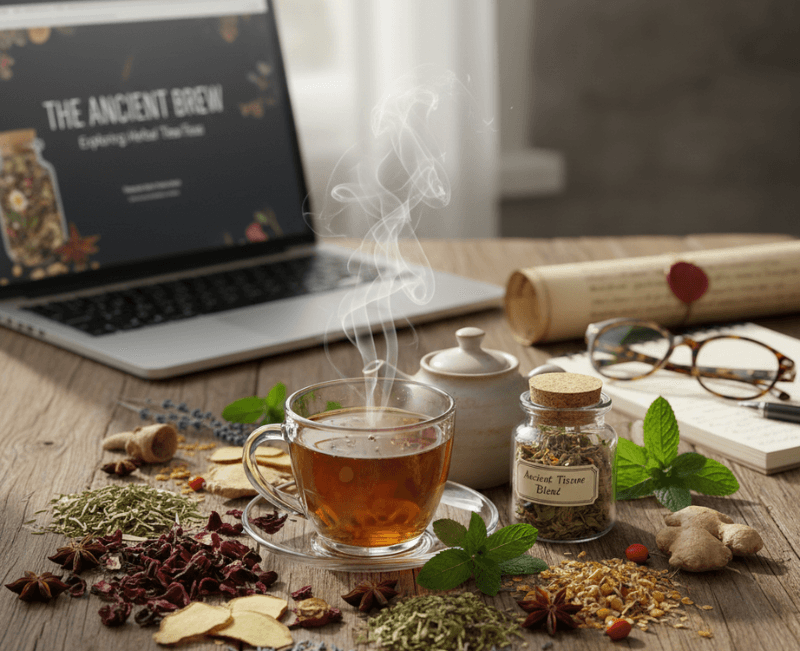
For millennia, the simple act of steeping plants in boiling water has served as a cornerstone of human health and culture. While traditional teas like green and black tea (derived from Camellia sinensis) often dominate the conversation, the world of “herbal teas”—technically known as tisanes—offers a diverse palette of flavors and therapeutic benefits. A recent comprehensive review highlights how these ancient brews are making a massive comeback in the modern wellness landscape.
A Legacy Rooted in Legend
The history of tea is steeped in myth. Chinese legend suggests that Emperor Shen Nung discovered the beverage in 2737 BCE when wild tea leaves accidentally blew into his pot of boiling water, creating a refreshing infusion that supposedly relieved his physical discomfort [1]. While traditional tea grew in popularity across Asia, herbal medicines derived from flowers, roots, and barks were simultaneously being developed by early civilizations to treat ailments and maintain well-being [1].
What Makes Herbal Tea Special?
Unlike traditional tea, herbal teas are caffeine-free infusions made from a variety of botanicals. These beverages are prized for their high concentration of phytochemicals, including flavonoids and polyphenols [1]. These active components are what give herbal teas their medicinal “edge,” offering everything from antioxidant protection to digestive support.
According to the research, some of the most prominent herbal varieties include:
* **Motherwort (Leonurus cardiaca): Traditionally used for cardiovascular support and anxiety, typically prepared by steeping dried stems and flowers [1].
* **Hibiscus and Rosehip: Often sought after for their high vitamin C content and immune-boosting properties [1].
* **Peppermint and Ginger: Frequently consumed for their ability to aid digestion and soothe gastrointestinal distress [2].
The Modern “Tisane” Trend
We are currently witnessing a significant surge in herbal tea consumption. This “herbal revolution” is driven by several key factors:
1. Holistic Health Shifts: Consumers are moving away from sugary, caffeinated drinks in favor of functional beverages that offer preventive health benefits [1].
2. The Pandemic Effect: The COVID-19 pandemic accelerated demand for immune-boosting and stress-relieving drinks, positioning herbal teas as a staple for mindful living [3].
3. Home-Grown Authenticity: There is a growing trend of enthusiasts growing their own herbs to ensure their tea is organic, fresh, and sustainable [1].
Market Growth and Sustainability
The herbal tea industry is no longer just a niche corner of health food stores. It is a burgeoning global market projected to reach approximately $7.34 billion by 2032 [4]. The Asia-Pacific region, particularly China and India, remains the leader in this growth, though Western markets are rapidly catching up as awareness of anti-aging and anti-inflammatory benefits spreads [4].
Furthermore, the industry is evolving to meet environmental demands. Many companies are transitioning to biodegradable or compostable tea bags to reduce carbon footprints, ensuring that the tea is as good for the planet as it is for the body [4].
How to Prepare the Perfect Cup
To maximize the health benefits of herbal tea, preparation is key. The research suggests that the phytochemical profile of the tea depends heavily on the “steeping” process. For most herbal infusions, using 2 to 3 teaspoons of dried botanicals per cup of boiling water and steeping for 5 to 10 minutes is recommended to extract the maximum amount of bioactive compounds [1].
Conclusion
From the ancient yards of Chinese emperors to the modern digital era of shared recipes on social media, herbal tea remains a timeless remedy. Whether you are looking for a moment of calm, a digestive aid, or a boost to your immune system, there is likely an herbal brew designed for your needs.